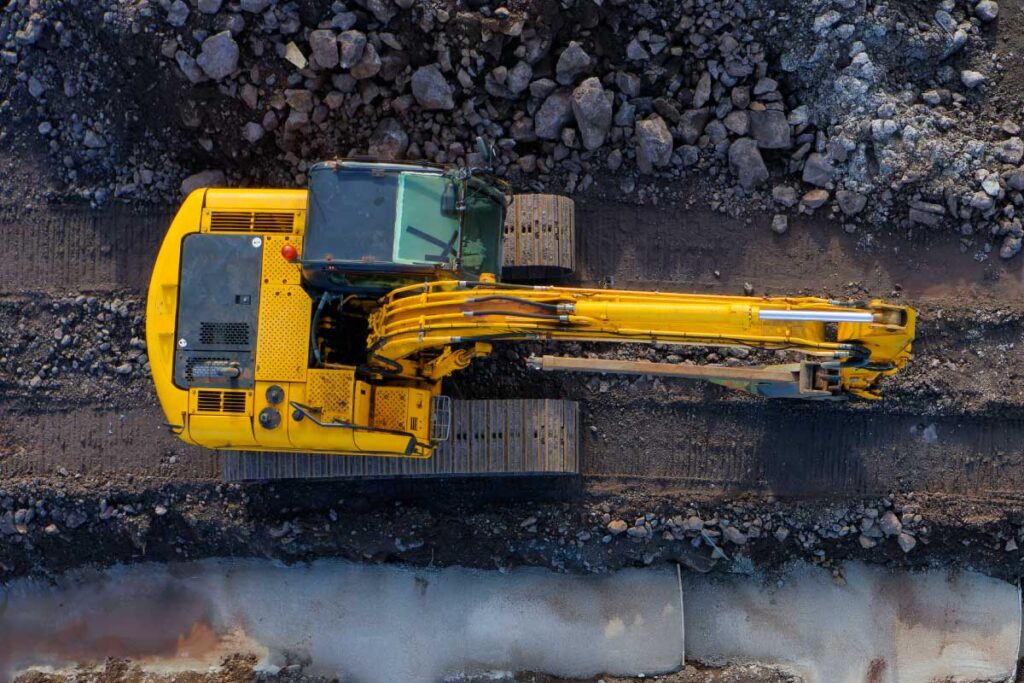

Hydro excavation is one of those jobs that looks straightforward from the outside: roll the truck, get the crew on site, excavate safely, move to the next stop.
In reality, it’s one of the most asset-intensive, service-driven operations out there.
Every job depends on the same two things showing up at the same time: a capable crew and a ready piece of equipment. And when either one isn’t available—because of maintenance, scheduling conflicts, compliance issues, or visibility gaps—everything downstream feels it. Response times slip, jobs get reshuffled, and expensive assets sit idle.
That’s why I don’t look at hydro excavation as “just fleet” or “just dispatch.” It’s both. And it needs to be run that way.
The operational reality most people don’t see
Across utilities, construction, and municipal environments, hydro excavation teams tend to run into the same operational pressures:
- High-value trucks and specialized equipment with strict maintenance and inspection requirements
- Crews covering large territories (often with long drive times and tight site windows)
- Emergency and unplanned work that blows up the day’s schedule
- Safety and compliance requirements where “close enough” isn’t acceptable
- Growing demand and faster SLAs—without the luxury of adding headcount or duplicate assets
A lot of teams try to manage this with spreadsheets, paper inspections, whiteboards, and a mix of disconnected tools. It can work—right up until it doesn’t. The moment volume increases or the unexpected hits, you’re forced into reactive mode: scramble the schedule, hope the right truck is available, and figure out later what went wrong.
The cost isn’t just downtime. It’s missed commitments, rushed decisions, and the kind of operational risk that keeps leaders up at night.
Utilities: protecting infrastructure and reducing risk
For utility providers, hydro excavation is often the safest way to expose buried infrastructure without damage. When the work is delayed—or the right equipment can’t be dispatched quickly—restoration timelines stretch and risk goes up.
What I see as the biggest opportunity for utility teams is connecting day-to-day service execution with asset readiness, so decisions aren’t made in the dark.
A connected service and asset management approach helps utilities:
- Keep hydro excavation assets on proactive maintenance schedules (instead of reacting to failures)
- Dispatch the right crew and the right truck quickly during outages or emergency response
- Track inspections, certifications, and safety compliance digitally—without chasing paperwork
- See real-time fleet availability and utilization to make smarter dispatch decisions
When service operations and asset data live together, utilities can move faster without trading off safety.
Construction: keeping projects on schedule
In construction, hydro excavation is rarely the only work happening. It’s one part of a larger timeline—and delays tend to cascade.
If a truck isn’t ready, a crew gets rescheduled. If a crew gets rescheduled, the site window gets missed. If the site window gets missed, the entire plan shifts. That’s how “a small equipment issue” becomes a cost and margin issue.
Better service and asset management helps construction organizations:
- Coordinate hydro excavation work against the broader project schedule
- Confirm equipment readiness before crews arrive on site
- Adapt quickly when site conditions change or priorities shift late in the day
- Capture job results and field data that improves planning and estimating over time
The goal isn’t perfection. It’s control—so you can protect timelines and margins when reality changes (because it always does).
Municipalities: doing more with limited resources
Municipal hydro excavation teams operate under tight budgets and high public accountability. They’re expected to support planned maintenance, emergency response, and seasonal spikes—without expanding costs.
In that world, visibility matters. If you can’t clearly see asset condition, crew capacity, utilization, and cost drivers, it’s hard to justify budgets or improve performance.
A connected platform supports municipalities by:
- Extending asset life through preventative maintenance
- Improving workforce scheduling and route optimization
- Simplifying compliance reporting and audit readiness
- Providing clear insight into costs, utilization, and performance
That kind of operational clarity is what allows municipal leaders to defend budgets, improve service delivery, and reduce unplanned downtime.
Why service and asset management have to work together
Hydro excavation isn’t just a maintenance problem or a scheduling problem.
Service execution depends on asset availability.
Asset performance depends on how work is planned, executed, and maintained in the field.
When those functions are managed separately, you end up with blind spots:
- Dispatch assumes equipment is ready when it isn’t
- Maintenance doesn’t have real context on how assets are being used
- Leaders don’t have a single, reliable view of what’s available, what’s committed, and what’s at risk
A unified approach connects people, equipment, and work in one operational view—so teams can shift from reactive decision-making to proactive planning.
Platform and partner matter
Asset-heavy, service-centric industries need technology that was built for this reality—not something that was bolted together later.
IFS is designed to manage complex assets, mobile workforces, and dynamic service demands in a single platform—so operations teams can plan, schedule, execute, and maintain with one connected view.
And just as important as the platform is how it’s implemented.
At Gogh Solutions, our focus is practical: aligning the technology to the way hydro excavation teams actually operate in the field. The objective isn’t to force new process for the sake of process. It’s to improve execution, reduce downtime, and give leaders better visibility without slowing crews down.
Preparing hydro excavation operations for what’s next
Demand for hydro excavation will keep rising as infrastructure ages, safety expectations increase, and response times tighten.
The organizations that will handle that growth best are the ones that treat hydro excavation like what it is: a coordinated service-and-asset operation where uptime, scheduling, compliance, and field execution all have to work together.
If you’re looking to improve visibility, reduce downtime, or bring service and asset management together in a way that reflects how your crews really work, I’m always open to comparing notes.